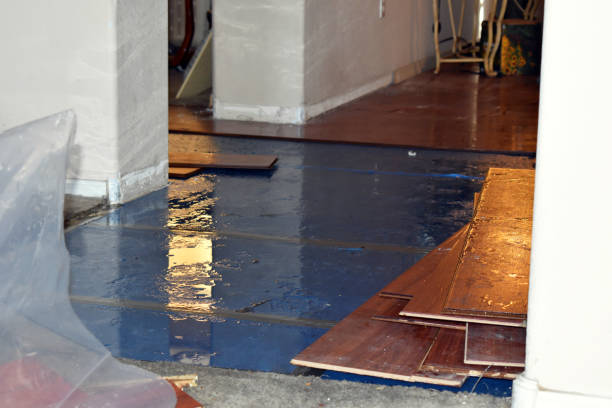
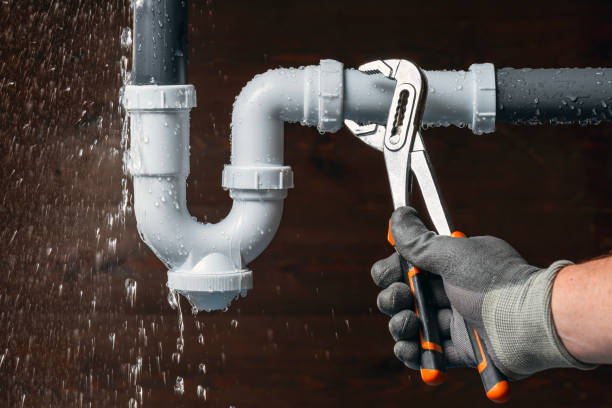
A washing machine hose lets go at 2am and suddenly your Emory laundry room is underwater — that's the exact moment our dispatch line is built for, with a technician routed before you've finished mopping the first puddle.
Call +1-844-578-1604
Crews staged inside Emory limits
Written estimate, no hidden line items
Licensed & insured, verifiable on request

We run our Emory operation on IICRC-certified technicians and commercial-grade equipment, not a subcontractor list we pull from when the phone rings.
Local pricing means local pricing — our Emory estimates reflect actual regional labor and material costs, not a national average that leaves you either overpaying or underinsured.
We also keep documentation formatted the way insurance adjusters actually want to see it, since most of our jobs end up crossing an adjuster's desk at some point.
Not every water problem announces itself with a flooded floor. Most start quietly, and catching one of these signs early is usually the difference between a same-day fix and a much bigger repair.
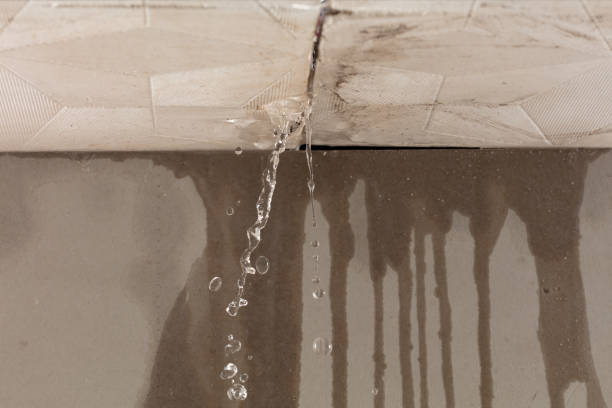
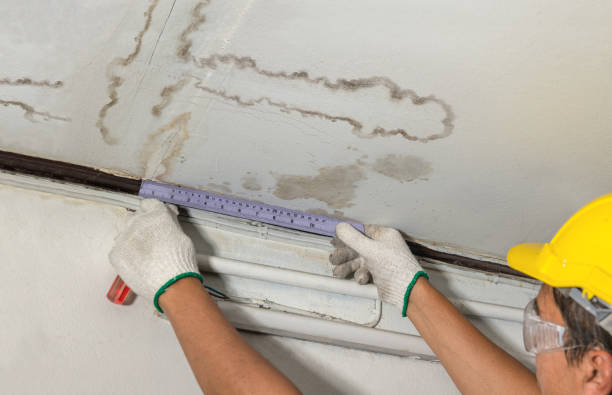
Repainting over a recurring ceiling stain treats the symptom, not the leak still feeding it from above or behind the surface. The stain returning is the actual diagnosis.
If a dehumidifier and open windows don't clear the smell within a day or two, there's an active moisture source that ventilation alone won't solve.
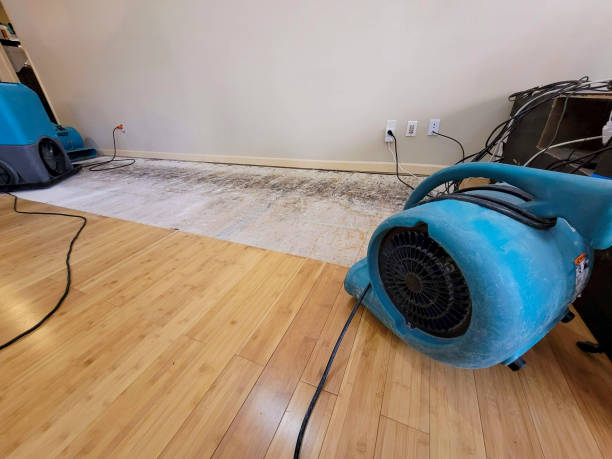
Hardwood cupping at the edges, laminate lifting at the seams, or carpet that stays spongy days after you last noticed water — all three point to moisture sitting against the subfloor.
Catching a hidden leak through the water bill is far cheaper than waiting for it to surface as a flooded room.
Bubbling paint near a baseboard or exterior wall usually means moisture is pushing through from behind rather than a simple application defect.
Mold that returns after a bleach cleaning is a sign the moisture source behind it was never actually addressed.
Catching two or more of these signs at once usually means it's past time for a proper inspection.
We don't split Emergency Water Damage into separate vendors for extraction, drying, and repair — one crew stays accountable for the whole job, from the first wet-vac pass to the final coat of paint.
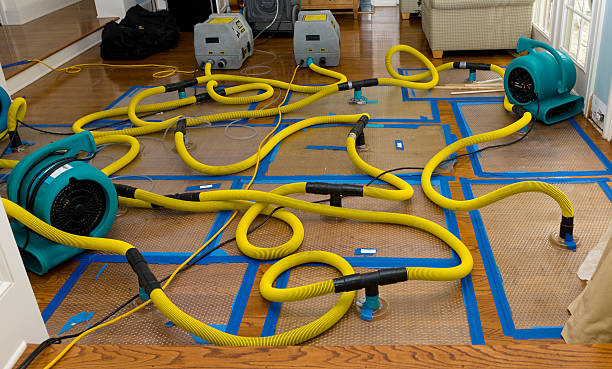
The equipment on our trucks scales up or down to the job, but the process — assess, extract, dry, verify, repair — doesn't change.
The first hour after a water loss decides how much of the structure is salvageable, which is why extraction is always the first truck-mount job, not an afterthought behind paperwork.
Daily drying logs track humidity and surface moisture at every checkpoint, giving you documented proof of progress instead of a verbal 'it's getting there.'
Blackwater intrusions call for full PPE, controlled removal of porous materials that can't be sanitized, and hospital-grade disinfection before any reconstruction starts.
Antimicrobial treatment on studs, subfloor, and other porous surfaces happens during the drying phase, especially anywhere that stayed wet more than 48 hours.
One contract from extraction through reconstruction means you're not managing two separate companies and two separate invoices.
Specialized content cleaning often saves items that looked like a total loss at first glance, which keeps replacement costs off your claim.


Four steps, no guesswork — here's exactly what happens between your call and a verified-dry structure.
A live dispatcher, not a voicemail tree, takes your call and asks a few quick questions about the source and severity so the crew rolls out prepared.
Photo and moisture documentation happens before any equipment gets touched, which protects your insurance claim later.
Equipment placement follows the specific psychrometric numbers from assessment, not a generic pattern used on every job.
Moisture readings confirm the structure meets a safe drying standard before we hand over documentation and move into reconstruction.
None of these four things matter in isolation — it's the combination of licensing, speed, honest pricing, and a real guarantee that actually changes the outcome of a water emergency.
We'll show you the credentials before we show you the invoice, if that's what puts you at ease.
A nearby crew isn't a slogan — it's the gap between drying equipment running in an hour versus half a day.
The number we quote is the number you pay, regardless of how long the drying cycle runs.
If a drying target isn't hit on schedule, equipment stays on-site at no extra charge until the readings confirm it's dry.
If our readings don't hit a safe drying standard on schedule, equipment stays running at our cost until they do — that's the bar we hold ourselves to.
The standard doesn't change based on job size — a single bathroom flood gets the same sign-off criteria as a full commercial loss.
Call +1-844-578-1604Whether your address sits in 75440 or a neighboring zip, the same crew and the same response standard applies.
We track call patterns by zip code across Emory to keep crew staffing matched to where emergencies actually happen.

"I've dealt with contractors before who talk a big game and disappear. The crew here in Emory actually showed up on time and stayed in touch through the whole drying process."
Renee A., Emory"The daily moisture log gave me something concrete to look at instead of just being told to trust the process."
Owen D., Emory"Professional from the first call to the final walkthrough, and they re-tested moisture before closing the job instead of eyeballing it."
Fatima J., Emory"Every cost question got a straight answer, even the awkward ones, which is more than I can say for the last two contractors I dealt with."
Lucas P., Emory"The thermal scan caught damage behind a cabinet that could have turned into a much bigger mold problem if it went unnoticed."
Grace T., Emory"Working a commercial job around our business hours could have been a scheduling nightmare, but they made it simple."
Nathaniel W., Emory"The technician explained exactly which boards needed to go and which tested dry enough to keep, so we didn't overpay for the repair."
Bianca H., Emory"They explained the crawl space drainage issue in plain terms instead of technical jargon, and fixed it on the spot rather than scheduling a separate trip."
Derek S., Emory"Our upstairs bathroom leaked into the kitchen ceiling below and the crew traced it back to a failed wax ring on the toilet, not just patched the visible ceiling stain."
Melissa C., Emory"A dishwasher supply line failed while we were on vacation and came home to a soaked kitchen floor. They handled the extraction, drying, and coordination with our property manager without us having to fly back early."
Victor N., Emory